




How to Choose Windows for a Passive House: Requirements and Recommendations
07.02.2026
A passive house is designed to minimize energy consumption for heating and cooling. The concept focuses on reducing heat loss while maximizing internal and solar heat gains. In this system, windows are critical components because they significantly influence thermal performance.
Key Requirements for Passive House Windows
1. Low U-value (Uw)
For passive houses, the Uw value typically should not exceed 0.8 W/m²K. This is achieved through multi-chamber frames, high-performance insulation, and advanced glazing systems.
2. Triple glazing
Triple-glazed units filled with inert gases such as argon significantly reduce heat transfer. Low-emissivity coatings help reflect indoor heat back into the room.
3. Warm edge spacers
Composite or thermally optimized spacers reduce thermal bridging along the edges of the glass unit.
4. Airtightness
High airtightness ratings prevent uncontrolled air leakage and maintain a stable indoor climate.
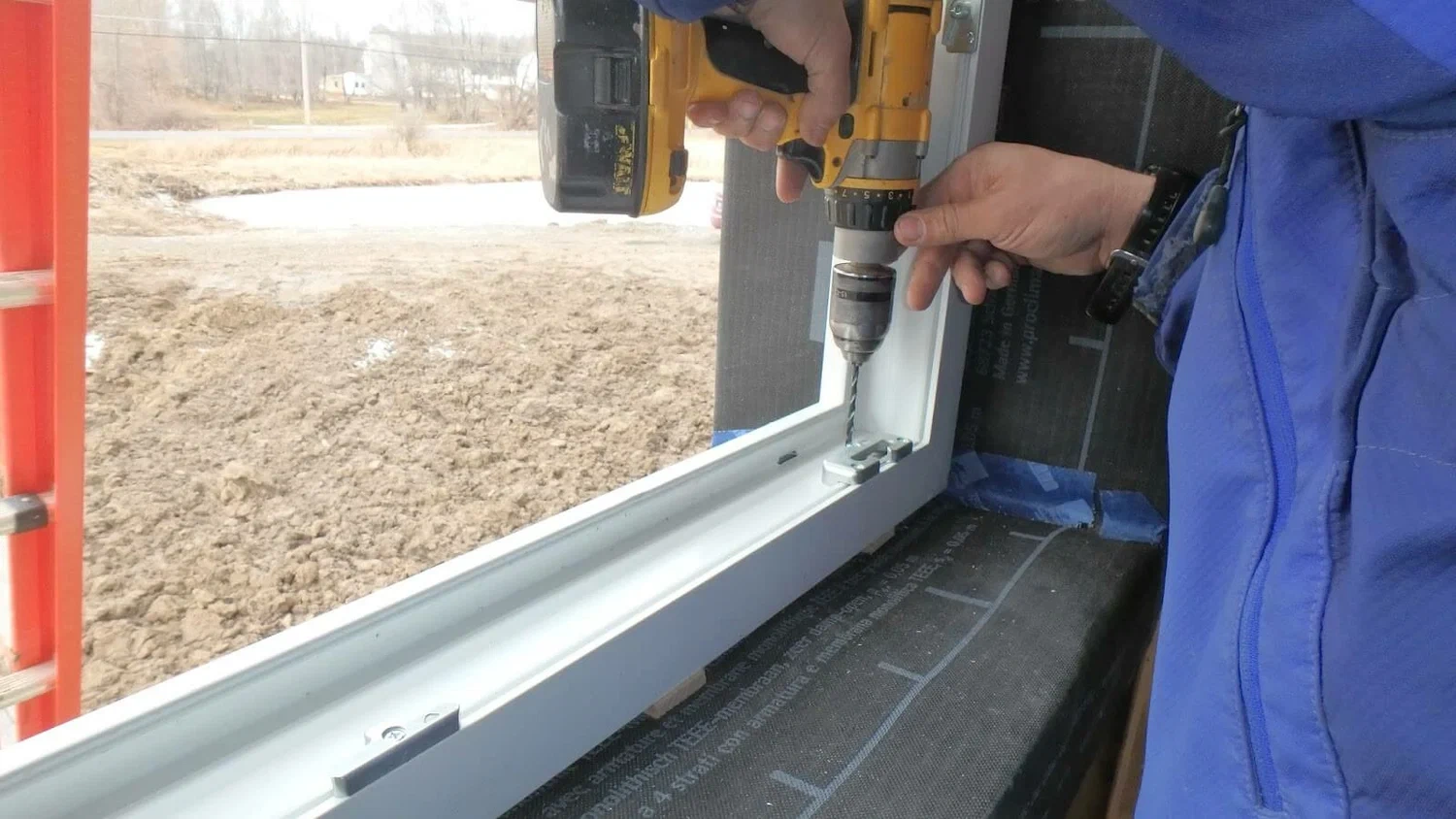
5. Professional installation
Even the most energy-efficient window will underperform if installed incorrectly. Passive house standards require multi-layer sealing systems and precise insulation of installation joints.
Additional Recommendations
- Consider building orientation. South-facing windows can enhance passive solar gain.
- Evaluate the solar heat gain coefficient (g-value) to balance heat gain and summer overheating protection.
- Choose certified products that meet recognized energy-efficiency standards.
Windows in a passive house are not just architectural elements - they are energy management tools. The right choice reduces heating costs and ensures year-round thermal comfort.

Contact us
Contacts
Still have questions? Contact us or leave a request and our manager will call you back!